
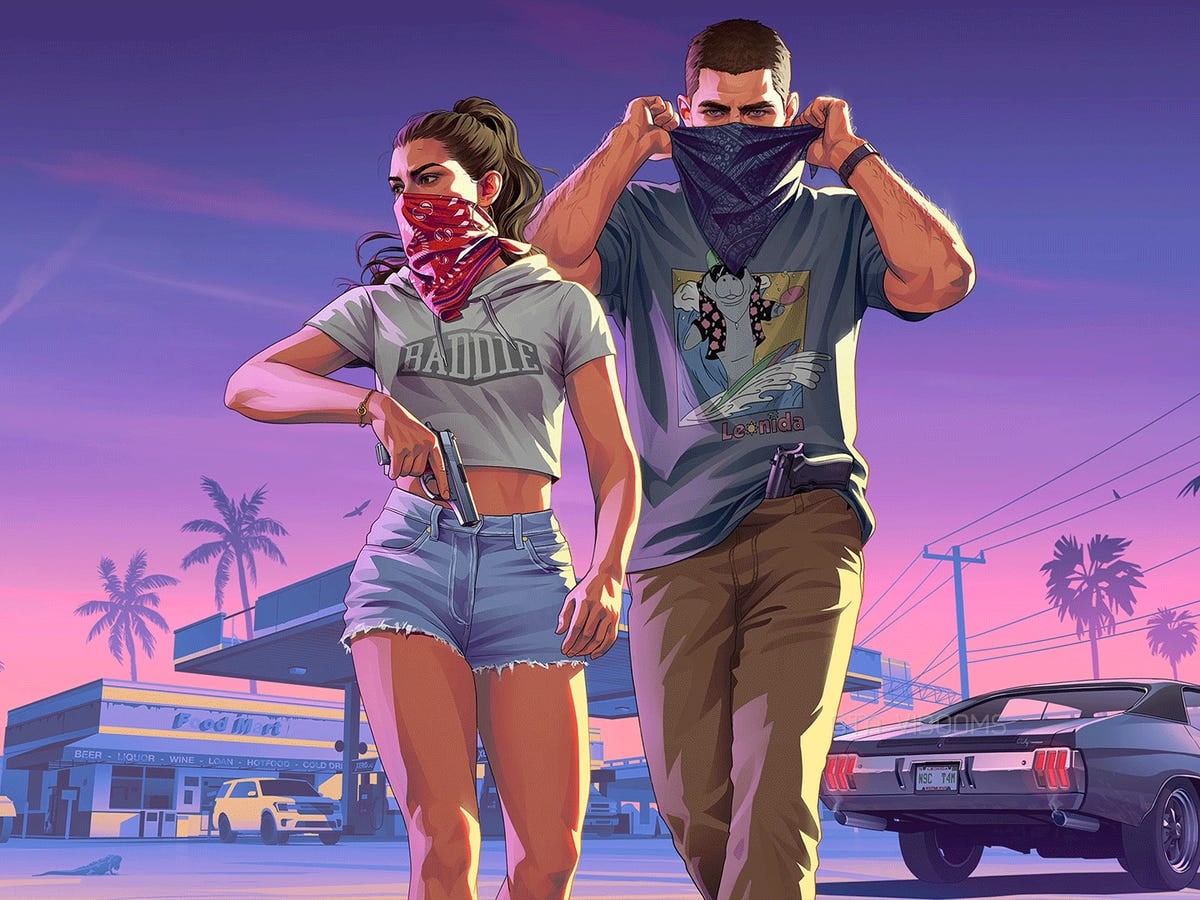
The Miamian published details on a city ordinance proposal for Miami GTA 6 banners. The draft limits displays to six downtown signs at $202000 each. Payments would total 1.2 million dollars and support a heritage trail project. Commission review occurs on September 10.
The Miamian reviewed city records and published the first details of the proposed waivers. Officials drafted the text to cover only downtown zones while it excluded airports and transit lines. The measure sets a maximum of six banners with each one priced at $202000.
The list confirms the arrangement stays limited to downtown locations and private money. Revenue supports a heritage project which keeps public costs at zero.
Payments reach 1.2 million dollars and support the Upperdeck heritage trail project. Rockstar covers installation costs under the draft terms which keeps public spending at zero. No lobbyists appear in city or county records tied to the talks.
The ordinance restricts all displays to downtown billboards which excludes public facilities. It sets a six banner maximum after it requires homeowner association approval. This approach follows patterns from past sporting events while it keeps funding private.
District 2 Commissioner Damian Pardo leads the city and sponsored the ordinance for the September 10 agenda after he reviewed the draft details. The measure authorizes temporary banners and building wraps which promote Grand Theft Auto VI across downtown zones based on Miami. Pardo follows steps taken by fellow Democrat Mayor Levine Cava after she pushed wider tourism ties for the launch.
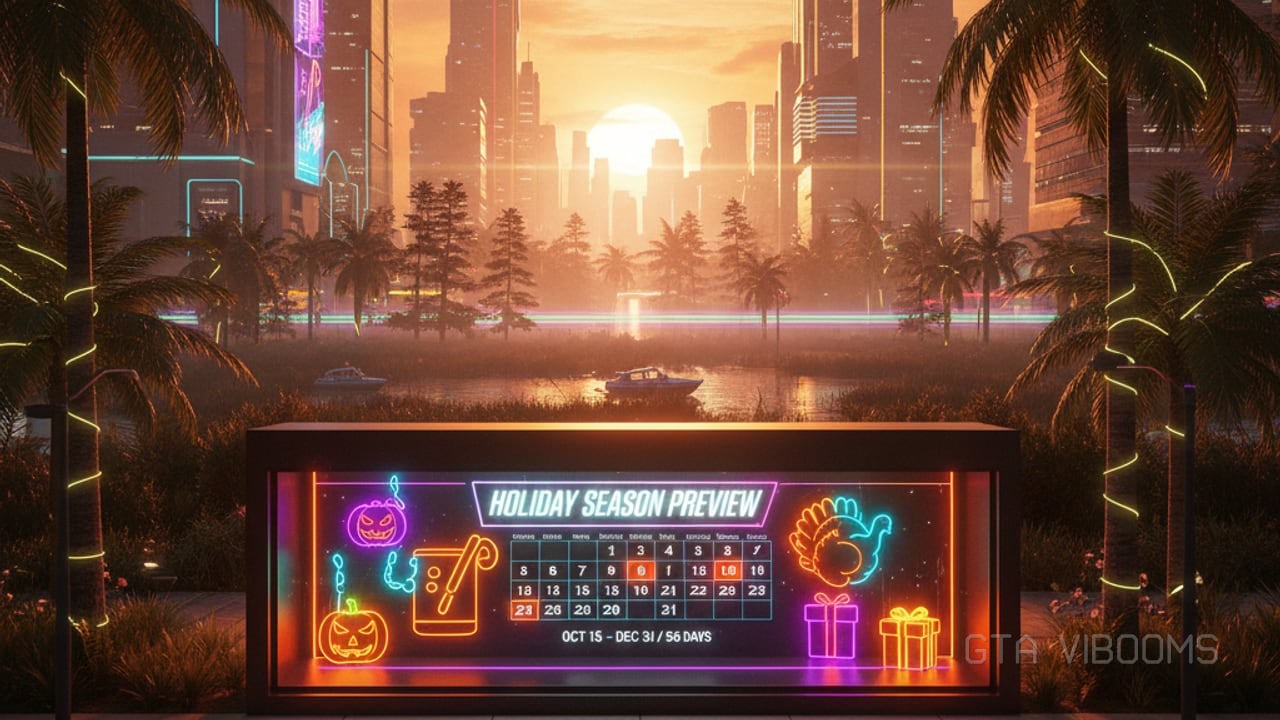
The display window covers 56 days from October 15 through December 31 under the draft after association review concludes. All signs stay inside downtown Miami zones after homeowner associations grant approval for the limited locations. The timeline matches the holiday season while it keeps the full arrangement temporary and contained within city rules.
Mayor Levine Cava backs wider tourism ties that reach beyond billboards and into local promotion after county plans faced blocks. Her stance differs from the narrower city version now under review by the commission on September 10. The contrast shows separate approaches between city and county efforts on the same game launch with private funding.
Earlier county plans called for airport wraps and Metromover coverings across multiple public sites. The sheriff and a chief judge raised objections to promotions at those locations after crime concerns surfaced. Their stance blocked the broader proposal from advancing further into county facilities.
| Aspect | City Plan | County Plan |
|---|---|---|
| Scope | Downtown billboards only | Airport and transit systems |
| Funding Source | Private banner payments | Public facility partnerships |
| Opposition Level | Minimal reported | Sheriff and judge resistance |
The table shows city scope stays smaller than county plans which faced resistance. Private funding reduces public concerns while it supports the narrower approach that moves forward on September 10.
City leaders responded by drafting a smaller version limited to downtown billboards only. The revised text directs all payments to a park fund rather than public facilities after objections appeared. This change reduced the risk of legal challenges during the September 10 review.
The city version limits banners to downtown zones after county plans stalled over objections. Rockstar would pay for each sign while the money goes to a heritage trail project. This approach avoids public facility use which reduces the chance of further legal blocks.

City staff placed the ordinance on the September 10 commission agenda after The Miamian examined draft documents in early September. The review by The Miamian occurred first which brought the details into public view before the agenda placement. Approval at that commission meeting would allow the displays to begin in mid October under the new rules.
The sequence leads to a mid October start if the vote succeeds. It shows how reports moved quickly to a commission review which keeps the process on track for downtown displays.
Initial reports on the ordinance appeared in early September which led to placement on the September 10 agenda. The entire sequence follows city regulations after which it avoids any county involvement in the approval path. Downtown homeowner associations hold final say before any banners appear in the affected zones.
If the commission passes the measure, downtown Miami would feature the banners during the holiday season. The arrangement builds on prior reports while it remains limited to six signs. Rockstar would control placement under the approved terms.
Sources: Rockstar Games (official), Wikipedia: GTA VI. Related: GTA 6 Robbery Overhaul Expands Store Targets.
Major sporting events such as the World Cup receive the waivers under city rules. The ordinance would extend the same treatment to the game promotion after it reaches the September 10 vote. This approach keeps the process consistent with past approvals for large public events that draw visitors to the area.
The ordinance allows a maximum of six banners in downtown Miami. Rockstar would pay $202000 for each one under the draft terms after association approval. The total reaches 1.2 million dollars which funds the Upperdeck heritage trail project without public costs.
Commissioner Damian Pardo sponsors the current ordinance after placing it on the agenda. Mayor Levine Cava backs wider tourism links for the game while the sheriff and a chief judge opposed county plans. Their objections centered on crime glorification concerns at public sites during the review.
The banners would appear from October 15 through December 31 if approved. The 56 day window aligns with the holiday season after the September 10 vote. All displays remain limited to downtown zones under the draft rules that require association consent first.
Downtown homeowner associations must agree to the placement first before any banners appear. The ordinance sets this step as a condition for the six banners after the commission vote. The requirement keeps the process local and contained within the affected area of downtown Miami.
 GTA VIBOOMS